
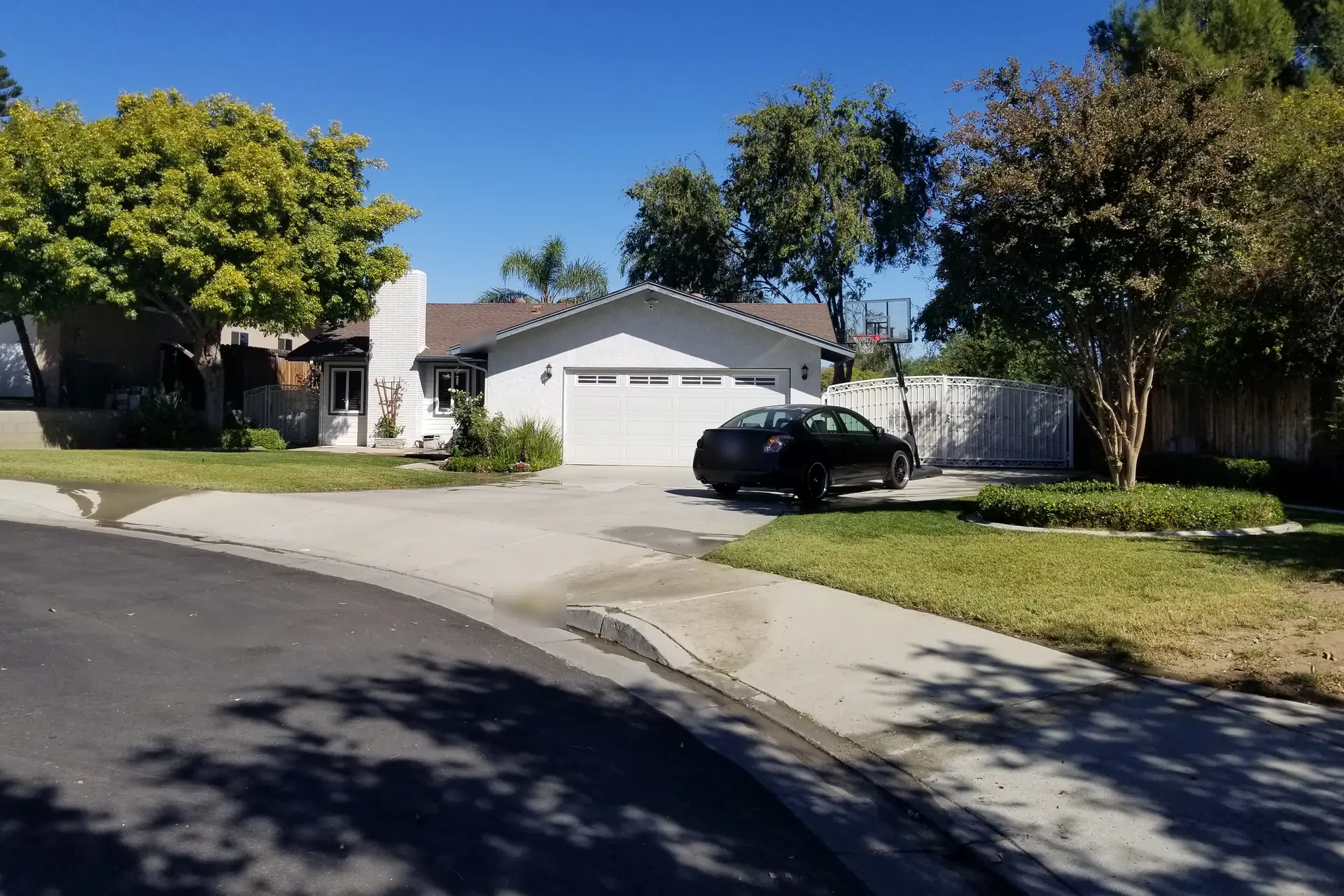
Say you've owned a three-bedroom house in Riverside for years, rented it to the same family since 2021, and decided this is the year to sell. The tenants pay on time. They keep the yard up. And they have no idea yet that you're thinking about selling.
The first decision shapes everything after it: sell the house with the tenants in it, or get it vacant first? California law governs both paths, and the rules are stricter than most owners expect.
If you're still deciding whether to sell or keep renting, my earlier post "Should you sell your house or rent it out?" covers the tax clock and the math, and "You did not plan to be a landlord" covers running the tenancy. This one picks up once you've decided to sell.
Key takeaways
- A sale doesn't end a tenancy. A fixed-term lease carries over to the buyer, and a month-to-month tenant stays until the tenancy is ended the way the law requires.
- Under the Tenant Protection Act, once a tenant has lived in the home for 12 months, you need a listed just cause to end the tenancy, and selling the house isn't one of the listed causes.
- California allows a 30-day notice in one narrow sale situation: a buyer who is a natural person, who plans to live in the home for at least a year, with escrow already open and the notice served within 120 days of opening it.
- Showings need advance notice, and 24 hours is presumed reasonable. Entry happens during normal business hours unless the tenant agrees otherwise.
- The tenant's security deposit either transfers to the buyer or goes back to the tenant with an accounting, rather than staying with you.
Occupied or vacant: the decision that drives the price
When a house is rented, the buyer pool splits in two. Investors want it occupied, since a paying tenant is income from the day they close. People buying a home to live in want it empty, because they can't plan a move around somebody else's lease.
So an occupied listing mostly sells to investors — buyers who price a house on rent, repairs and risk rather than on how the kitchen will look in photos. That's why occupied homes tend to sell for less. A tenant who keeps the place spotless and cooperates with showings narrows that gap, and an unhappy one widens it.
Getting the house vacant opens it to every buyer, but it costs time and possibly relocation money, and for many tenancies you can't simply give notice because you'd like to sell. Pull out the lease before you pick a path.
A lease doesn't end because the house sold
If your tenant signed a one-year lease in March, that lease runs to its end date whether you own the house or someone else does. The buyer steps into your position as landlord. Some investors will pay more for a long lease at market rent.
A month-to-month tenancy is different, but it still doesn't end on its own. California Civil Code §1946.1 sets the notice an owner must give to end one: at least 60 days if every tenant has lived there a year or more, and 30 days if any tenant has been there less than a year.
There's one sale-specific exception. Section 1946.1(d) allows a 30-day notice when all of these are true:
- the home can be sold separately from any other unit (a house or a condo, not one unit in a duplex sold as a whole);
- you've contracted to sell to a bona fide buyer for value and opened escrow with a licensed escrow agent, title company or broker;
- the buyer is a natural person, not an LLC or a company;
- the notice goes out no more than 120 days after escrow opens;
- you haven't already given the tenant a notice under that section;
- the buyer intends in good faith to live in the home for at least a full year.
That exception shortens the notice period. It doesn't create a reason to end the tenancy, which is where the Tenant Protection Act comes in.
The Tenant Protection Act and why "I'm selling" isn't a just cause
California's Tenant Protection Act (Civil Code §1946.2, the law most people call AB 1482) says that once a tenant has continuously and lawfully occupied a home for 12 months, an owner can end the tenancy only for a just cause on the statute's list. The at-fault causes cover things like nonpayment and lease violations, and there are four no-fault causes:
| No-fault cause | What it requires |
|---|---|
| Owner or family move-in | The owner or a qualifying relative moves in within 90 days of the tenant leaving and lives there at least 12 continuous months |
| Withdrawal from the rental market | The owner stops renting the property out |
| Government or court order | A law or order requires the unit to be vacated |
| Demolition or substantial remodel | The work requires the tenant to be out for at least 30 consecutive days |
A sale isn't on that list. The buyer's plan to move in generally doesn't count as your owner move-in, either — you're the owner serving the notice and you aren't the one moving in.
For a no-fault termination, the owner must either pay relocation assistance equal to one month of the rent in effect when the notice was served, or waive the final month's rent in writing. The payment is due within 15 calendar days of service, and the notice has to tell the tenant about the right. The statute says a notice that doesn't strictly comply is void. The Attorney General's landlord guide notes that some cities and counties require more.
Many single-family homes are exempt from the Act, but only if two things are true. The owner can't be a real estate investment trust, a corporation or an LLC with a corporate member, and the tenant must have received the exemption notice in writing. For tenancies that began or renewed on or after July 1, 2020, that notice has to be in the lease itself. Plenty of individual owners pass the first test and miss the second.
If your tenant has been there more than a year and you aren't sure the exemption applies, talk to a landlord-tenant attorney before you serve anything. A void notice puts you back at the start with a listing already on the market.
Showings with a tenant in place
Civil Code §1954 lets a landlord enter to show the home to prospective or actual buyers, with conditions:
- The notice states the date, the approximate time and the purpose.
- Twenty-four hours is presumed reasonable notice, and entry happens during normal business hours unless the tenant agrees otherwise at the time.
- If you've told the tenant in writing within the past 120 days that the property is for sale and that you or your agent may contact them by phone or in person, later showing notices can be given orally, still with reasonable notice.
- When you enter, you leave written evidence of the entry inside the home.
What gets a house shown well is a tenant who knows what's coming. On our listings we tell the tenant about the sale before the sign goes up, agree on showing windows that fit their work schedule, group showings into a few blocks each week rather than a steady trickle, and send the written for-sale notice on day one so the oral-notice option is in place from the start. Some owners offer a rent credit for each week the home is on the market. It's voluntary, and it usually costs less than a frustrated tenant does.
Paying a tenant to move: a negotiated agreement
When the law doesn't give you a way to end the tenancy, or the timing doesn't work, some owners negotiate. In what people call cash for keys, the tenant agrees to move out by a set date and the owner pays an agreed sum, often with the full deposit returned.
It works only if the tenant wants it, and pressuring them invites a dispute. Put any deal in writing, spell out the move-out date and what happens if it's missed, and have an attorney review it before anyone signs.
The deposit, the rent roll and the paperwork
When you sell, Civil Code §1950.5(i) gives you two choices for the tenant's security deposit. You can transfer what remains after lawful deductions to the buyer and notify the tenant, or return it to the tenant with an itemized accounting. Either one ends your liability for it, and keeping it isn't an option.
An investor buyer will ask to see the lease, any amendments, the rent ledger and the deposit amount. Many also ask the tenant to sign an estoppel certificate, a short statement confirming the rent, the deposit and the lease terms. Have those papers organized before you list, so the buyer has one less reason to discount the price.
Common questions
Can I sell my rental house while the tenant is still on a lease?
Yes. The lease doesn't end at the sale. The buyer takes over as landlord and the tenant stays through the lease term on the same terms.
How much notice do I have to give a tenant before a showing?
Civil Code §1954 requires reasonable notice stating the date, approximate time and purpose, and 24 hours is presumed reasonable. Once you've given written notice within the past 120 days that the home is for sale, later showing notices can be oral.
Does the tenant have to move out when the house sells?
Not because of the sale alone. A month-to-month tenancy has to be ended with the right notice, and if the Tenant Protection Act covers the tenancy, you also need a listed just cause. Selling isn't on that list, so many owners either sell occupied or negotiate a move-out.
What happens to the tenant's security deposit when I sell?
Under Civil Code §1950.5(i), you either transfer the remaining deposit to the buyer and notify the tenant, or return it to the tenant with an itemized accounting.
Before you list a rented house
The lease, the date the tenant moved in, and whether you ever gave the exemption notice tell you which path is open. From there it's a pricing and timing decision, and it's one we work through with owners across Riverside and San Bernardino counties. The Sellers section of our site walks through the rest of the process, and the Contact page reaches me directly if you'd like to talk through your situation before you say anything to your tenant.
Sources
- https://law.justia.com/codes/california/code-civ/division-3/part-4/title-5/chapter-2/section-1946-1/— checked 2026-11-05
- https://law.justia.com/codes/california/code-civ/division-3/part-4/title-5/chapter-2/section-1946-2/— checked 2026-11-05
- https://law.justia.com/codes/california/code-civ/division-3/part-4/title-5/chapter-2/section-1954/— checked 2026-11-05
- https://law.justia.com/codes/california/code-civ/division-3/part-4/title-5/chapter-2/section-1950-5/— checked 2026-11-05
- https://oag.ca.gov/system/files/media/Tenant-Protection-Act-Landlords-and-Property-Managers-English.pdf— checked 2026-11-05

Jeff Maas
Broker-Owner · DRE #00981576 · NMLS #246684
Jeff Maas founded National Realty Group in 1991 and remains its Owner and Broker, and has owned National One Mortgage Corp since 1994, putting real estate, lending, escrow and property management under one roof. He has testified at trial as an expert witness in mortgage lending disputes, retained by both plaintiffs and defendants, and since 2018 has been an adjunct professor at California Baptist University teaching Real Estate Principles and Real Estate Finance. Licensed in California since 1988, he has handled well over a thousand sales and loans, with particular depth in short sales and VA financing. He is a member of the California and National Associations of REALTORS®, and a recipient of National Realty Group's Eagle Award for 2003, 2004 and 2005 and United Wholesale Mortgage's 1% Award for 2021.
More from Jeff →This post is general information, not legal, tax, lending or investment advice, and it is not a guarantee of any result. Market figures are accurate as of the date shown and change. National Realty Group is an Equal Housing Opportunity brokerage.