

What are the steps to buying your first home in Riverside?
Buying your first home in Riverside follows the sequence the California Department of Real Estate lays out: figure out what you can afford, secure financing, find the home, make an offer, get through inspections, the appraisal and escrow, and close. In practice that means a homeownership class, a documented preapproval, a check on which assistance programs reach the house you want, a focused search, an offer, inspections and underwriting, and a final signing with your escrow officer. Your timeline depends on your loan type, the appraisal, title work, and the closing date written into your contract.
This is part two. Part one on this blog, "First-Time Homebuyers Should Look at Riverside," covers the market, the neighborhoods inside the city, and how to test a street before you commit to it. This one is the order of operations, from your first class to the day you get keys.
Key takeaways
- Start with a homeownership class and a written preapproval at the same time, before you tour anything.
- A real preapproval documents your maximum loan, your estimated monthly payment, the cash you'll need, and the debt-to-income assumptions behind it, which a rough online calculator never does.
- Riverside County's first-time buyer programs do not cover homes inside the city of Riverside. The city is on the excluded list for both the county's PLHA and HOME programs, so check which programs reach the address before you write an offer.
- Riverside County's median days on market was 62 in September 2026 (Federal Reserve Bank of St. Louis), which gives most buyers time to be deliberate.
- Once your offer is accepted, escrow runs through inspections, the appraisal, underwriting and contingency removal before funds move and you close.
How do you prepare for your first home in Riverside before you tour a single house?
Start with homeownership education and a full preapproval, ideally at the same time. Touring first is the most common mistake I see, because falling for a house you can't finance is an expensive way to spend a Saturday.
Step 1: Take a homeownership education class
The City of Riverside points first-time buyers to education providers including the Fair Housing Council of Riverside County, Neighborhood Partnership Housing Services, Credit.org, Neighborhood Housing Services of the Inland Empire, Golden State Finance Authority, and CalHFA. The workshops cover the basics of the home-buying process, and many assistance programs require a certificate from one before you can use them.
Do this before you make an offer, not after. If your credit needs work, you want to know that now, not in week three of escrow.
Step 2: Get a real preapproval
A preapproval is a lender reviewing your actual documents, not a payment estimate from an app. Ask your lender to put in writing:
- Your maximum loan amount
- Your estimated monthly payment, including taxes and insurance
- The cash you'll need to close
- The debt-to-income assumptions behind the approval
- Whether the loan can be combined with CalHFA, GSFA, or other assistance
This is where my team's setup helps. National One Mortgage Corp (N1M), which I've owned since 1994, handles lending, and Escrow One handles closings, so your lender, agent, and escrow officer already work together. If you want the full lending sequence, I break it down in the mortgage process for Inland Empire buyers, from first call to keys, and it's worth knowing what a pre-approval letter does and doesn't mean before you lean on one.
Step 3: Check which assistance reaches the house you want
Here's the part most first-time buyer guides get wrong. Riverside County runs two first-time buyer programs, funded through PLHA and HOME, and the county's published lender guidelines cap assistance at the lesser of $100,000 or 20% of the purchase price, narrowed further by a need test. Both programs exclude homes inside the city of Riverside. The PLHA guidelines list Calimesa, Corona, Menifee, Palm Desert, Perris, Rancho Mirage and Riverside as ineligible cities, and the HOME list is longer. They work in unincorporated Riverside County and in the cities that participate.
So if you're buying inside the Riverside city limits, look elsewhere. Statewide programs from CalHFA and GSFA don't depend on which city the house is in, and the City of Riverside's own housing page points buyers to the Mortgage Credit Certificate, which lets qualified buyers reduce their federal income tax by a portion of the mortgage interest they pay each year. Confirm current availability, income limits and lender participation before you count on it.
If you're open to buying just outside the city, the county programs come back into play, and that can change which neighborhoods make sense. I cover the program-by-program map in first-time buyer assistance programs across the Inland Empire.
Step 4: Know your cash number
Down payment, closing costs, and reserves all draw from the same pot. I won't put a number on your costs in a blog post, because yours depends on your loan, price, and contract terms. I walk through the categories in the cash it takes to buy in Riverside, and what Riverside buyers can afford in 2026 shows you how to find your own comfortable payment. Then we run your personal numbers together.
Where should you search once you're ready?
Narrow it to two or three neighborhoods before you tour, and compare them on the things that change your monthly cost and daily life: your commute at the hours you'll drive it, property taxes and assessments on the specific home, insurance availability for that address, any HOA obligations, and flood or fire exposure. Part one walks through the neighborhoods inside Riverside and how to test a street, and if you're weighing Riverside against Moreno Valley, Corona or Jurupa Valley, I compare them side by side in Inland Empire cities for first-time buyers.
Pace matters too. Riverside County's median days on market was 62 in September 2026, according to the Federal Reserve Bank of St. Louis, so most homes weren't disappearing overnight. The number that matters for you is the one for the type of home, in the area, at the price you're targeting, and I pull that from the MLS when we start.
Write the offer and negotiate the terms
Price is only one piece of an offer. You also negotiate the contingencies, the closing date, and what repairs or credits you'll ask for after inspections. Your agent should explain each term before you sign, and how your agent is paid is fully negotiable and not set by law, so we talk through that before we tour. I describe what to expect from first showing to closing day in working with a Riverside real estate agent.
The sensible price to offer depends on the home's condition, what comparable homes sold for, and how long it's been listed. That's a conversation for a real market analysis, built from MLS comps rather than a portal estimate.
What happens between an accepted offer and getting your keys?
Once your offer is accepted, escrow opens and you work through inspections, the appraisal, lender underwriting, and your contingencies until funds are in and you close. The DRE describes escrow as beginning once buyer and seller agree to the terms of a sale and closing when the purchase is complete.
- Escrow opens. Your escrow officer holds the funds and documents neutrally for both sides.
- Inspections. Hire an inspector and attend if you can. Ask about the roof, plumbing, electrical, heating and cooling, and drainage around the property. Your contract sets how much time you have to review and respond.
- Appraisal and underwriting. Your lender orders the appraisal and verifies your file. Don't open new credit or change jobs while this is happening.
- Satisfy contingencies. You and your agent work through each condition in the contract before it's removed. Contingency periods in a California purchase contract explains how those clocks run.
- Fund and close. You sign with your escrow officer, the funds move, and the sale completes on the contract's closing date.
For the week-by-week view, see the California escrow timeline. The California DRE's first-time buyer page is also a good plain-language reference for this sequence, and I'd rather you read it twice than learn it for the first time in escrow.
Delays usually start in the same few places: an appraisal that comes in short, a title issue, or a missing document. When the sale, the loan and the escrow sit with one team, those surface early, while there's still time to fix them, and that's the reason I built National Realty Group that way.
Common questions
Can I use Riverside County down payment assistance if I'm buying in the city of Riverside?
No. The county's published guidelines for its PLHA and HOME first-time buyer programs list the city of Riverside as ineligible, along with several other cities. Buyers inside the city should look at statewide programs from CalHFA and GSFA and ask about the Mortgage Credit Certificate. If you'd consider a home in unincorporated Riverside County or a participating city, the county programs may apply, subject to income, price and first-time buyer tests.
How much money do I need to buy my first home in Riverside?
It depends on your loan type, price, and contract terms, so there's no single honest number. You'll plan for a down payment, closing costs, and reserves, and assistance may cover part of that for some buyers. I'll run your personal figures during a consultation, and this breakdown of cash needs explains each category.
What credit score do I need to buy a house in Riverside?
The minimum depends on the loan program and the lender, so ask for a written preapproval instead of guessing. A homeownership education provider such as Credit.org, listed by the City of Riverside, can help you prepare your credit before you apply. A preapproval will show exactly where you stand.
How long does it take to buy a house in Riverside?
The search can take as long as you need it to, but once your offer is accepted, the timeline follows the closing date in your contract. That date depends on financing type, appraisal, inspections, title work, and how quickly the seller responds. Getting preapproved up front removes the slowest unknown.
Buying your first home in Riverside is a sequence, and the buyers who do well treat it that way: education, preapproval, an assistance check, search, offer, inspections, and close. If you want help with any step of it, start with the Buyers page on this site and get in touch, and we'll run your numbers and map your next step.
Sources
- https://www.dre.ca.gov/Consumers/FirstHomeCalifornia.html— checked 2026-10-30
- https://riversideca.gov/hhs/housing/housing-programs/down-payment-assistance-homeownership-education— checked 2026-10-30
- https://rivcohws.org/sites/g/files/aldnop131/files/Housing/Resources/2025-2026%20PLHA%20FTHB%20Lender%20Program%20Guidelines%20-%20090925.pdf— checked 2026-10-30
- https://rivcohws.org/sites/g/files/aldnop131/files/2024-06/2024-2025%20HOME%20FTHB%20Program%20Guidelines.pdf— checked 2026-10-26
- https://fred.stlouisfed.org/series/MEDDAYONMAR6065— checked 2026-10-30
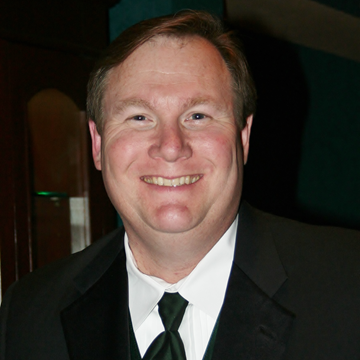
Jeff Maas
Broker-Owner · DRE #00981576 · NMLS #246684
Jeff Maas founded National Realty Group in 1991 and remains its Owner and Broker, and has owned National One Mortgage Corp since 1994, putting real estate, lending, escrow and property management under one roof. He has testified at trial as an expert witness in mortgage lending disputes, retained by both plaintiffs and defendants, and since 2018 has been an adjunct professor at California Baptist University teaching Real Estate Principles and Real Estate Finance. Licensed in California since 1988, he has handled well over a thousand sales and loans, with particular depth in short sales and VA financing. He is a member of the California and National Associations of REALTORS®, and a recipient of National Realty Group's Eagle Award for 2003, 2004 and 2005 and United Wholesale Mortgage's 1% Award for 2021.
More from Jeff →This post is general information, not legal, tax, lending or investment advice, and it is not a guarantee of any result. Market figures are accurate as of the date shown and change. National Realty Group is an Equal Housing Opportunity brokerage.